
How to Increase Your Credit Score?
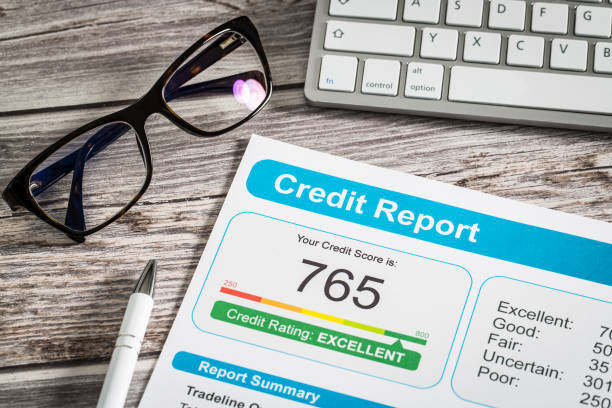
Before diving into helpful tips to help you increase your credit score, it is important to understand what a credit score is and how it is calculated. A credit score is a three-digit number, typically between 300 and 900, designed to represent your credit risk, or the likelihood you will pay your bills on time. A credit score between 650-900 is considered good to excellent for most lenders; whereas a score below 600 is considered a below average or poor credit score.
Creditors and lenders consider your credit score when reviewing your mortgage application, as well as the interest rate you will be charged. To improve your chances of mortgage approval at a low interest rate, start working on increasing your score today.
5 Key Factors That Affect Your Score and What You Can Do to Increase Your Score
- Payment History:
35% of your credit score is determined by your payment habits. Payment history illustrates your ability to consistently pay your minimum payments, and if you have missed or late payments. Missing payments can have a negative impact on your score.
Payment history is one of the most important factors that affects your credit score. Making your payments on time, every time, can have a positive impact on your credit score. - Credit Utilization Ratio:
30% of your credit score is calculated by determining the ratio between the balance of your credit balances vs. the credit limit available to you.
Your credit utilization ratio, which is the amount of credit you’re using compared to your credit limit, also plays a role in your credit score. Reducing your debt and keeping your credit utilization low (ideally below 30%) can help boost your score. - Length of Credit History:
Credit History makes up about 15% of your credit score and highlights how long you have been using credit.
The length of your credit history is another important factor. Keeping your old credit accounts open can help improve your credit history and increase your score over time - Types of Credit Products:
About 10% of your credit score is determined by the different kinds of credit products you have opened - New and Recent Credit History:
This represents about 10% of your credit score and highlights new credit products that you have opened or applied for.
Applying for too much new credit at once can hurt your credit score. Try to limit your credit applications to only what you need and space them out over time.
Remember to always check your credit report for errors as mistakes on your credit report can negatively affect your credit score. Regularly checking your credit report and disputing any errors can help improve your score.
A secured credit card may be a good option if you’re struggling to get approved for a traditional credit card. These cards require a security deposit, which can help you build credit over time.
Improving your credit score takes time and effort. By following these tips and practicing good credit habits, you can gradually increase your score and improve your financial health. You can also use online tools such as Borrowell or Credit Karma to help you regularly monitor and improve your credit score.
If you would like to better assess your credit health and receive additional tips on how to increase your credit score, please contact us today! We’ll help you get in the best financial position to obtain a mortgage.